
Oxytocin and the Neurobiology of Friendship
By: Kyla Basbaum
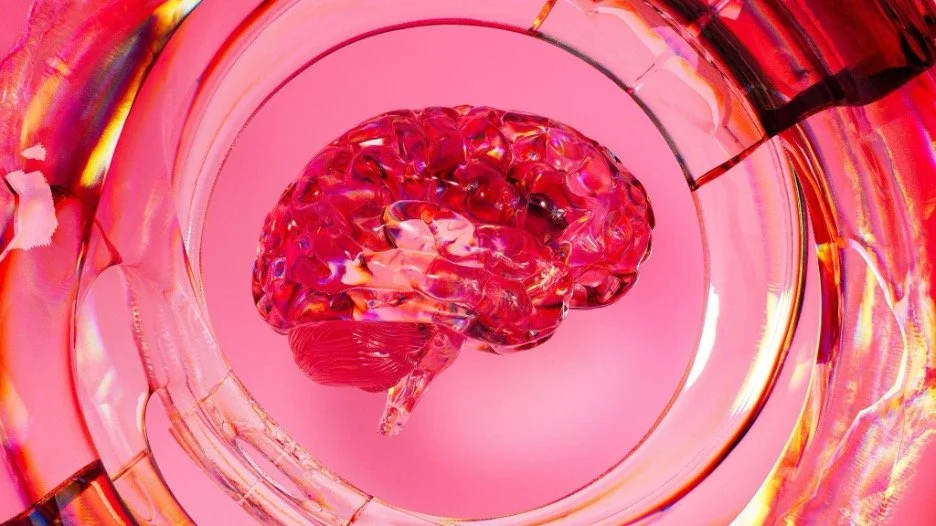
February 14th is a day commonly framed around romantic partnership. Flowers, dates, and grand gestures, but Valentine's Day also offers an opportunity to celebrate love in all contexts. From a neurochemical perspective, some of the most enduring and powerful forms of love are found in our close friendships! Oxytocin (OT), colloquially termed the “love hormone” or the “bonding hormone”, is central in forming and maintaining these connections.
While oxytocin plays a large role in romantic contexts, this neurohypophysial hormone is released just as readily through non-romantic connections, such as meaningful conversations, social engagement, laughter, hugs, and feelings of mutual understanding. Oxytocin is also elicited during labour and lactation, facilitating secure maternal-child attachment (1).
Oxytocin exerts widespread effects on social cognition and emotional regulation. Its release promotes associative learning, linking certain people with trust, safety and comfort (2). In familiar social contexts, this mechanism allows friendships to buffer inflammatory stress, improve mood, promote parasympathetic nervous system regulation, and facilitate emotional recovery. Oxytocin modulates the body's stress response (HPA axis) to suppress cortisol and reduce anxiety and emotional reactivity during stressful periods (2, 3, 4).
In adulthood, maintaining close friendships often becomes more difficult as responsibilities of daily life accumulate. Psychological research consistently demonstrates the importance of social connection and its therapeutic implications in longevity, stress resilience, and overall psychological and physical well-being (1).
So how do we maintain these connections, despite competing demands? Deliberate effort is key to sustaining these relationships. Below are five strategies for achieving this.
(1) Intentional Effort: Prioritize time and attention for friends. Consider making plans a week in advance rather than being spontaneous or setting up a monthly connect with a few people.
(2) Kindness: This is the core of good, nurturing and uplifting friendships. Lots of volunteer opportunities out there. Check out https://govolunteer.ca/
(3) Consistency: Engage regularly, even in small ways, to reinforce social bonds. This can include daily texts or emails to friends or family or neighbors!
(4) Presence: Be mentally and emotionally available during interactions. Limit distractions like phones or TV. Smaller gatherings can also allow for more meaningful connections.
(5) Active participation: Share experience, offer support, and practice mutual understanding.
Our endocrinology demonstrates that oxytocin-mediated bonding supports the development and strengthening of fulfilling social connections, essential for long-term well-being. Investing in close friendships reflects an evidence-based understanding of how these neurochemical systems sustain enduring friendships and overall health.
The BC Brain Wellness Program has many offerings that provide both on line and in person opportunities for connection. Wellness happens here…. https://www.bcbrainwellness.ca/
References
Sharma, S. R., Gonda, X., Dome, P., & Tarazi, F. I. (2020). What’s love got to do with it: Role of oxytocin in trauma, attachment and resilience. Pharmacology & Therapeutics, 214, 107602. https://doi.org/10.1016/j.pharmthera.2020.107602
Neumann, I. D. (2007). Oxytocin: The neuropeptide of love reveals some of its secrets. Cell Metabolism, 5(4), 231–233. https://doi.org/10.1016/j.cmet.2007.03.008
Takayanagi, Y., & Onaka, T. (2021). Roles of oxytocin in stress responses, allostasis and resilience. International Journal of Molecular Sciences, 23(1), 150. https://doi.org/10.3390/ijms23010150
Amico, J. A., Mantella, R. C., Vollmer, R. R., & Li, X. (2004). Anxiety and stress responses in female oxytocin-deficient mice. Journal of Neuroendocrinology, 16, 319–324. https://doi.org/10.1111/j.0953-8194.2004.01161.x