
Architecture as part of the health ecosystem
By Amirah Khurana
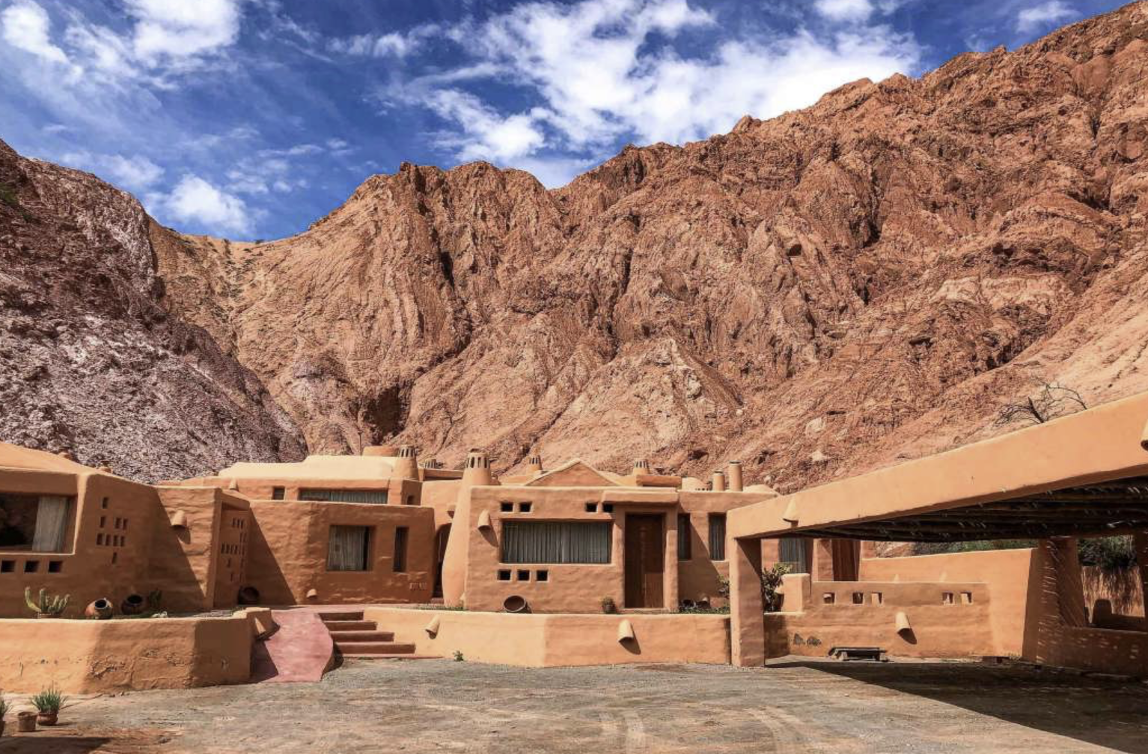
Beyond shelter
For thousands of years, humans lived in close connection with nature. Today, most of our lives unfold indoors. This shift has inspired architects to rethink the role of architecture. The question is no longer simply, "What should a building look like?" Instead, it has become, "How should this place make us feel?”
By drawing inspiration from nature's intelligence, architects are designing spaces that go beyond providing shelter, creating environments that enrich the way we experience everyday life. This growing evidence has contributed to the rise of evidence-based design, an architectural approach that uses scientific research to inform design decisions. Rather than relying solely on aesthetics or intuition, architects increasingly consider how natural light, ventilation, materials, spatial layout and access to nature influence the people who experience a space.
Restorative environments
One of the strongest areas of architectural research explores how access to nature influences our ability to recover from stress. Buildings that incorporate natural landscapes, rooftop gardens, green courtyards, and views of trees have consistently been associated with lower perceived stress and improved emotional well-being. Exposure to nature has
been associated with reductions in physiological markers of stress, including cortisol (the body's primary stress hormone), heart rate, and blood pressure.
How nature restores attention
Researchers have long been interested in why spending time in nature often leaves people feeling mentally refreshed. One of the most influential explanations is that natural environments engage the mind through soft fascination, a gentle form of attention that effortlessly captures our interest without demanding intense concentration. From a biological perspective, the brain is constantly filtering and responding to the information around us. Natural environments often contain gentle movement, organic shapes, and predictable patterns that appear to require less brain effort to process than visually complex urban settings.
Light as a design strategy
Human biology evolved under predictable cycles of daylight and darkness. Natural light has become one of the defining elements of healthy architecture. Rather than treating daylight simply as a source of illumination, architects increasingly recognize it as a design strategy that supports human biology. Our biological rhythms continue to rely on these natural light-dark cycles, making access to daylight an important environmental cue for maintaining healthy bodily function.
What is at stake?
Looking ahead, architects face a growing challenge, designing environments that not only respond to urban growth, but also support human health. Future projects will require a more integrated approach to design, bringing together architecture, engineering, environmental science, ecology, and public health. Building performance will be measured by how effectively the built environment supports human health and everyday experience.
So, the next time you walk into a building, pause for a moment and notice how it makes you feel; that feeling is design at work.
References
Blume, C., Garbazza, C., & Spitschan, M. (2019). Effects of light on human circadian rhythms, sleep and mood. Somnologie, 23(3), 147–156. https://doi.org/10.1007/s11818-019-00215-x
Ohly, H., White, M. P., Wheeler, B. W., Bethel, A., Ukoumunne, O. C., Nikolaou, V., & Garside, R. (2016). Attention Restoration Theory: A systematic review of the attention restoration potential of exposure to natural environments. Journal of Toxicology and Environmental Health, Part B, 19(7), 305–343. https://doi.org/10.1080/10937404.2016.1196155
Twohig-Bennett, C., & Jones, A. (2018). The health benefits of the great outdoors: A systematic review and meta-analysis of greenspace exposure and health outcomes. Environmental Research, 166, 628–637. https://doi.org/10.1016/j.envres.2018.06.030
Yin, J., Arfaei, N., MacNaughton, P., Catalano, P. J., Allen, J. G., & Spengler, J. D. (2019). Effects of biophilic interventions in office on stress reaction and cognitive function: A randomized crossover study in virtual reality. Indoor Air, 29(6), 1028–1039. https://doi.org/10.1111/ina.12593
Zhang, X., Du, J., & Chow, D. H. C. (2023). Association between perceived indoor environmental characteristics and occupants’ mental well-being, cognitive performance, productivity, satisfaction in workplaces: A systematic review. Building and Environment, 246, Article 110985. https://doi.org/10.1016/j.buildenv.2023.110985