
By Faithful Olarinde
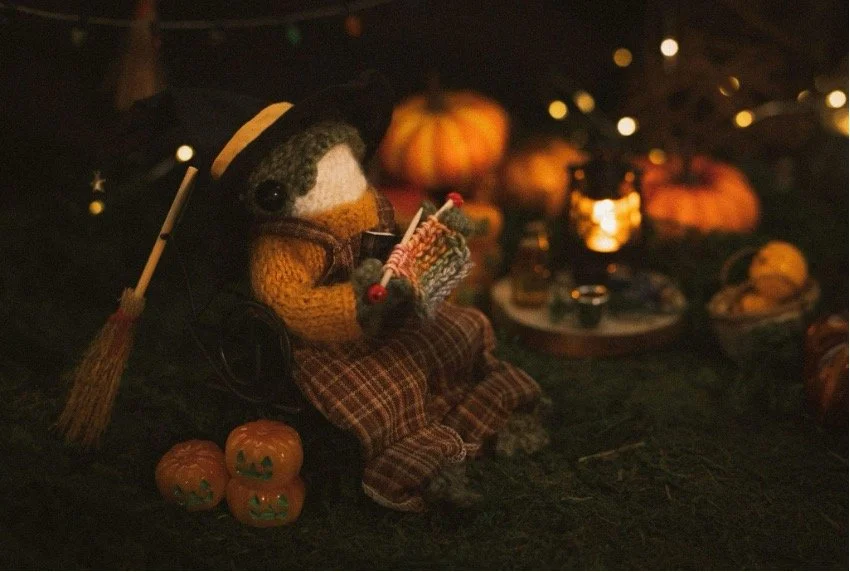
Photo by Ksenia Yakovleva on Unsplash
Halloween is typically a time associated with fun costumes, candy, and entertainment. However, for many, it also represents a time of heightened anxiety and fear due to the nature of the day. The eerie and scary decorations and violent depictions of mental illness in some costumes can trigger certain emotions, making it a more difficult season for some. Halloween can affect mental health in complex ways, from its emphasis on fear and horror leading to anxiety, grim decorations, costumes using blood and weapons, increased feelings of loneliness, and overstimulation from noises and parties (1). The National Alliance on Mental Illness, an advocacy group, also highlighted that the holiday can perpetuate harmful stigma of people with mental illnesses, which in turn can lead to people living with these conditions feeling more alienated (2). This can arise when costumes cross into mocking marginalized groups or depicting real-life events that can be triggering for people.
Haunted houses have been continually depicted as “haunted asylums”, depicting people with mental illnesses as violent monsters (2). Although society has become more mindful when celebrating this holiday compared to the past decade, it is important to acknowledge and spread awareness of how remnants of this harmful stigma can continue to affect people living with mental illness and know how to support them through this holiday.
If you or someone you know needs extra support this period of here, here are some helpful tips to implement to reduce and manage potential stressors or triggers (3,4):
- Lean on support systems: Spend time with supportive families and friends, who can validate your feelings while helping manage any anxiety.
- Preparation: Planning ahead is key. If doing things in the dark is overwhelming but you still want to experience a bit of Halloween fun, look for events occurring during the day. You can also volunteer for events; being a part of the party and making decisions can help reduce unpredictability.
- Use grounding tools: If you’re experiencing any fear or anxiety from decorations or jump scares, use quick grounding exercises such as focusing on your five senses and taking deep breaths to stay present and calm
- Curate your media: While you can’t control how others choose to decorate, you can actively protect your peace of mind by curating your digital media. Avoid horror or slasher movies that can increase anxiety or trigger distressing symptoms. Proactively click “Not Interested” on online videos to curate your algorithm, filtering out videos of that type
- Set boundaries: It’s okay to prioritize your comfort by setting firm boundaries. Avoid triggering environments; there's no need to succumb to societal pressure to decorate or celebrate, and simply maintain your daily routines.
In conclusion, remember to do what feels best for you. Make your celebration your own and put your well-being first. Whether that means staying at home and watching a cozy fall movie or creating a low-stress Halloween tradition, you have the right to celebrate on your own terms. True fun should never come at the expense of your peace of mind.
If you are looking for something to do this season beyond the Halloween festivities, check out our upcoming workshops using this link here. We have lots of in-person workshops available to connect with the community and learn something new! Activities include an Autumn cooking class and even a drumming workshop! Check out the link above to for more information and to register!
References
NAMI (2014). Should we get worked up over halloween costumes? | NAMI: National alliance on mental illness. [online] Nami.org. Available at: https://www.nami.org/Blogs/NAMI-Blog/October-2014/Should-We-Get-Worked-Up-Over-Halloween-Costumes [Accessed 20 Oct. 2026].
Heal Thrive, T. (2024). How can Halloween affect mental health? [online] Talk. Heal. Thrive. Available at: https://talkhealthrive.com/blog/how-can-halloween-affect-mental-health [Accessed 20 Oct. 2026].
michaelt (2025). Managing fear and anxiety at halloween. [online] Prestige Mental Health. Available at: https://prestigementalhealthlv.com/halloween-special-addressing-fear-and-anxiety/ [Accessed 20 Oct. 2026].
Cassandra M. Faraci, Psy.D., ADHD-CCSP (2024). Facing halloween fears: Understanding and overcoming anxiety during spooky season. [online] Center for Anxiety and Behavior Management. Available at: https://anxietyandbehaviornj.com/facing-halloween-fears-understanding-and-overcoming-anxiety-during-spooky-season/ [Accessed 21 Oct. 2026].
Andres, C. (2025). Halloween and mental illness stigma: Choosing costumes that don’t haunt others. [online] CMHA North and West Vancouver Branch. Available at: https://northwestvancouver.cmha.bc.ca/whats-new/halloween-and-mental-illness-stigma/ [Accessed 20 Oct. 2026].
PsyD, D.S. (2019). How to stop the myths that mental illness is scary. [online] Psychology Today. Available at: https://www.psychologytoday.com/us/blog/two-takes-depression/201910/halloween-and-mental-illness-stigma [Accessed 20 Oct. 2026].